จำนวน Repository ( 23 )

การพัฒนาผลิตภัณฑ์อหารแปรรูปจากกากมะพร้าวที่เหลือใช้
แป้งขนมครกจากกากมะพร้าวกึ่งสำเร็จรูป มีวัตถุประสงค์เพื่อศึกษาการเตรียมแป้งขนมครก จากกากมะพร้าวกึ่งสำเร็จรูป ศึกษาการยอมรับของผู้บริโภค 100 คน และศึกษาอายุการเก็บรักษา ของผลิตภัณฑ์ เริ่มจากการศึกษาคัดเลือกสูตรพื้นฐาน และนำมาปรับสูตรผสมให้เป็นแป้งขนมครกกึ่ง สำเร็จรูป โดยศึกษาปริมาณกะทิผงในแป้งขนมครกกึ่งสำเร็จรูป 3 ระดับ (ตัวหน้า:ตัวแป้ง) คือ 100:100 150:150 และ200:200 กรัม ตามลำดับ พบว่าผู้ทดสอบชิมให้คะแนนความชอบสูตรที่ใส่ ปริมาณกะทิผงในอัตราส่วนของตัวหน้า:ตัวแป้ง 150:150 มากที่สุด การศึกษาปริมาณกากมะพร้าว ต่อแป้งข้าวเจ้า 3 ระดับ(กรัม) คือ 20:80 30:70 และ40:60 ตามลำดับ พบว่าผู้ทดสอบชิมให้ คะแนนความชอบสูตรที่ใส่ปริมาณกากมะพร้าวต่อแป้งข้าวเจ้าในอัตราส่วน 20:80 มากที่สุด การศึกษาการยอมรับของผู้บริโภค (Consumer test) ที่มีต่อผลิตภัณฑ์แป้งขนมครกจากกาก มะพร้าวกึ่งสำเร็จรูป โดย พบว่า ความพอใจชอบปานกลาง จากนั้นนำไปวิเคราะห์คุณภาพ เปรียบเทียบแป้งขนมครกกึ่งสำเร็จรูปกับแป้งขนมครกจากกากมะพร้าวกึ่งสำเร็จรูป โดยค่าสีของ ผลิตภัณฑ์แป้งขนมครกจากกากมะพร้าวกึ่งสำเร็จรูป มีค่าความสว่าง(L*) ค่าสีแดง(a*) และค่าสี เหลือง(b*) น้อยกว่าแป้งขนมครกกึ่งสำเร็จรูป ค่าปริมาณน้ำอิสระ(Aw) และค่าปริมาณความชื้นของ แป้งขนมครกจากกากมะพร้าวกึ่งสำเร็จรูป มีค่ามากกว่าแป้งขนมครกกึ่งสำเร็จรูป ส่วนค่าปริมาณ เส้นใยหยาบ ไขมัน และโปรตีน ของผลิตภัณฑ์แป้งขนมครกจากกากมะพร้าวกึ่งสำเร็จรูป มีมากกว่า แป้งขนมครกกึ่งสำเร็จรูป ร้อยละ 2.45 2.56 และร้อยละ 0.78 ตามลำดับ ค่าปริมาณคาร์โบไฮเดรต และเถ้าของผลิตภัณฑ์แป้งขนมครกจากกากมะพร้าวกึ่งสำเร็จรูป มีน้อยกว่าแป้งขนมครกกึ่งสำเร็จรูป ร้อยละ 6.42 และร้อยละ 0.51 ตามลำดับ จากการศึกษาอายุการเก็บรักษาผลิตภัณฑ์แป้งขนมครก จากกากมะพร้าวกึ่งสำเร็จรูปเป็นเวลา 3 สัปดาห์ พบว่า ค่าสี ค่าปริมาณน้ำอิสระและปริมาณ ความชื้น มีค่ามากเพิ่มขึ้น และทางจุลินทรีย์สามารถเก็บรักษาได้อย่างน้อยเป็นเวลา 3 สัปดาห์ โดย ปราศจากเชื้อจุลินทรีย์ทั้งหมด ยีสตและรา แสดงให้เห็นว่า ผลิตภัณฑ์แป้งขนมครกจากกากมะพร้าว มีความปลอดภัยและไม่เป็นอันตรายต่อผู้บริโภค
การพัฒนาลูกอมสมุนไพรไทยพื้นบ้าน : ลดการอักเสบและดับกลิ่นปาก
การพัฒนาลูกอมสมุนไพรไทยพื้นบ้าน : ลดการอักเสบและดับกลิ่นปาก ได้ท าการศึกษาข้อมูลพื้นฐานของสมุนไพรจากแหล่ งต่ างๆ ทั้งในด้านคุณประโยชน์และสรรพคุณของสมุนไพร พบว่า สมุนไพรที่สามารถหาซื้อได้ง่าย ราคาไม่แพง ได้แก่ ชะเอมเทศ กานพลู มะนาว เก๊กฮวย ขิง ใบฝรั่ง มะตูม และบ๊วย และผู้บริโภคมีความต้องการให้มีการพัฒนาลูกอมสมุนไพร จากข้อมูลที่ได้ในแบบส ารวจพฤติกรรม ผู้บริโภคและจากการส ารวจตลาดและห้างสรรพสินค้าท าให้ทางผู้วิจัยได้ทราบข้อมูลและน าไปเป็นแนวทาง ในการพัฒนาลูกอมสมุนไพรไทยพื้นบ้าน ดังนี้ (ลูกอมชนิดแข็งแบบผสมเนื้อผลไม้) ได้แก่ ชะเอมเทศ กานพลู และบ๊วย (ลูกอมชนิดแข็งแบบสอดไส้) ได้แก่ มะนาว เก๊กฮวย และขิง (ลูกอมชนิดแข็งแบบม้วน) ได้แก่ ใบฝรั่ง และมะตูม จากนั้นน าข้อมูลที่ได้รับมาศึกษาปริมาณที่เหมาะสมในการ ทาผลิตภัณฑ์ลูกอมสมุนไพร พบว่า ลูกอมชนิดแข็งแบบผสมเนื้อผลไม้ (เนื้อบ๊วย ) ผู้ทดสอบให้คะแนนความชอบสูตร น้ าชะเอมเทศ และกานพลู 20:10 กรัม มากที่สุด ลูกอมชนิดแข็ งแบบสอดไส้(สอดไส้ซอสมะนาว) ผู้ทดสอบให้คะแนนความชอบสูต รน้ าเก็กฮวย และขิง 20:15 กรัม มากที่สุด และลูกอมชนิดแข็งแบบม้วน ผู้ทดสอบให้คะแนนความชอบสูต รน้ าใบฝรั่ง และมะตูม 60:40 กรัม มากที่สุด ซึ่งในแต่ละสูตรที่ผู้ทดสอบเลือกนั้นมีคุณลักษณะที่ดีเนื้อละเอียด เนียนคงรูป ไม่เยิ้ม เนื้อค่อนข้างแข็ง มีกลิ่น รสชาติสมุนไพรตามธรรมชาติ ไม่มีกลิ่นฉุนเกินไป จากนั้นน าไปทดสอบคุณภาพทางกาย พบว่าลูกอมชนิดแข็งแบบผสมเนื้อผลไม้(เนื้อบ๊วย) : น้าชะเอมเทศ และกานพลู สูตร 20:10 กรัม มีสีน้ าตาลเข้มค่อนข้างคล้ า ลูกอมชนิดแข็งแบบสอดไส้(สอดไส้ซอสมะนาว) : น้ าเก็กฮวย และขิง สูตร 20:15 กรัม มีสีออกเหลืองใสมากกว่าเมื่อเปรียบเทียบกับลูกอมชนิดแรกที่ได้กล่าวไป ลูกอมชนิดแข็งแบบม้วน : น้ าใบฝรั่ง และมะตูม สูตร 60:40 กรัม สี เขียวจากใบฝรั่งและสีเหลืองน้ าตาลจากมะตูม คุณภาพทางจุลินทรีย์ พบว่า จากการศึกษาอายุการเก็บรักษา เป็นเวลา 2 สัปดาห์ ลูกอมสมุนไพรทั้ง 3 ชนิด มีความปลอดภัยในการบริโภค ซึ่งเป็นไปตามมาตรฐานผลิตภัณฑ์ชุมชน ลูกกวาดและทอฟฟี่ (มผช. 265/2547) และการศึกษาการยอมรับของผู้บริโภคพบว่า ผู้บริโภคมีความพอใจในลูกอมสมุนไพรไทยพื้นบ้าน : ลดการอักเสบและดับกลิ่นปากระดับความชอบปานกลาง
Study the user space of building and landscape design in Rajamangala University of Technology Phra Nakhon
This research was aimed to study the user space of build ing and landscape design in Rajamangala University of Technology Phra-Nakhon (RMUTP.) to help for make building or design landscaped in RMUTP. The samples group in this research consisted in 70 samples is directors teachers officials and 480 samples is students in RMUTP. All sample size is 550 samples. Random by Yamane table 95% ± 5% The questionnaires have 2 issue 1) have 3 parts used for collecting data. -part one is rating scale questionnaires. The directors teachers official needs space for collected the many documents and want to have the private space for working want to have the air condition and raised lighting in study rooms. The topics of Sport recreation area religion area and healthy area. They wanted club for teacher and official In-door stadium recreation a·ctivity areas and foods center for students They want to raise the toilet indoor and bath rooms and want to have locker or space for keeping the things before come in library copy service and raise the desk and table for reading. The workshops they want to have the locker for keep any things of students store room and raised the lighting. Last in the landscape design they wanted to develop the university signboard in front of RMUTP. they want cars motorbike bicycle parks want relaxing areas gardens and they want to develop the sign for directed anywhere in RMUTP.
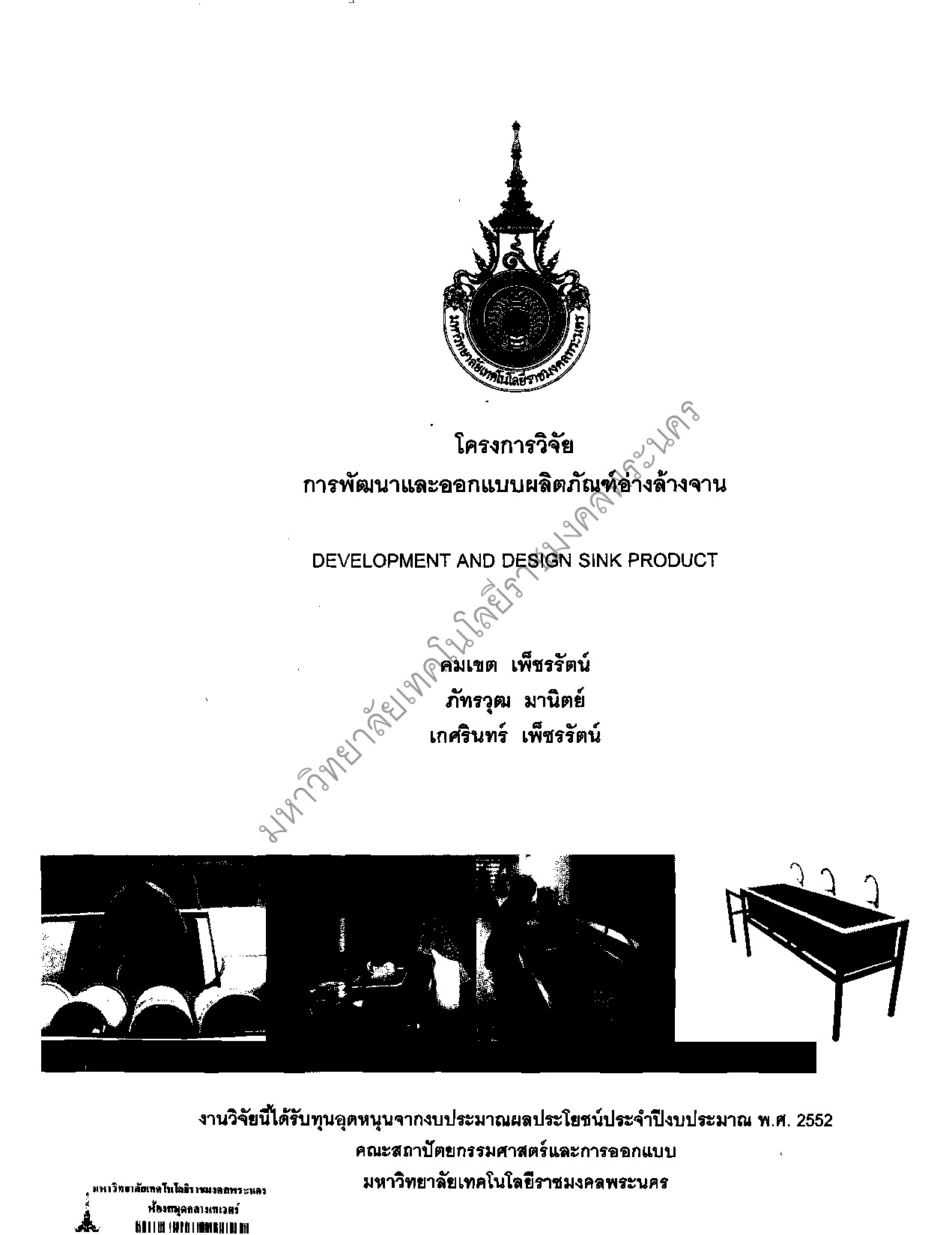
Development and Design Sink Product
The main objective of the study was to explore The relationship of cleaning the container behavior with sink space guide line for sink product. This research an integration of field survey and quasi-experimental techniques were utilized to people who live in condominium in Bangkok and preference assessment of Thai sink product by ninety seven users. This research based on work triangle and evaluation environment for cooking in condominium by experimental. And attitudes expectation of Thai sink product prototype. Variables were used in the framework of this study: size and spatial characteristics of each area understudied for washing in sink. The sizes of areas which could optimally accommodate such activities were derived from eleven cases of experimentation. Other than body size and the extent of disability the study also found that variation in area size was determined by additional factors such as types of activities approach to the area and the individuals skill for that particular activity. Intervening variables such as fatigues after prolonged and repeated tests were found partially affected the results of experiments and attitudes toward the environment and the extent of difficulty to perform each task. The final analysis of the attitude toward the suggested sink product modification was done using data collected from ninety seven users respondents accompanying the disabled. The sink product modification to accommodate all users inclUding the disabled members of the family in accordance with the former environment. The study found however that the extent of intimacy with the disabled significantly determined towards sink product modification. In conclusion the study suggested that conditional application of sink production modification according to the nature of the disabled-in terms of social psychology familial background the extent of disability and the specific needs required by each of the canteen.
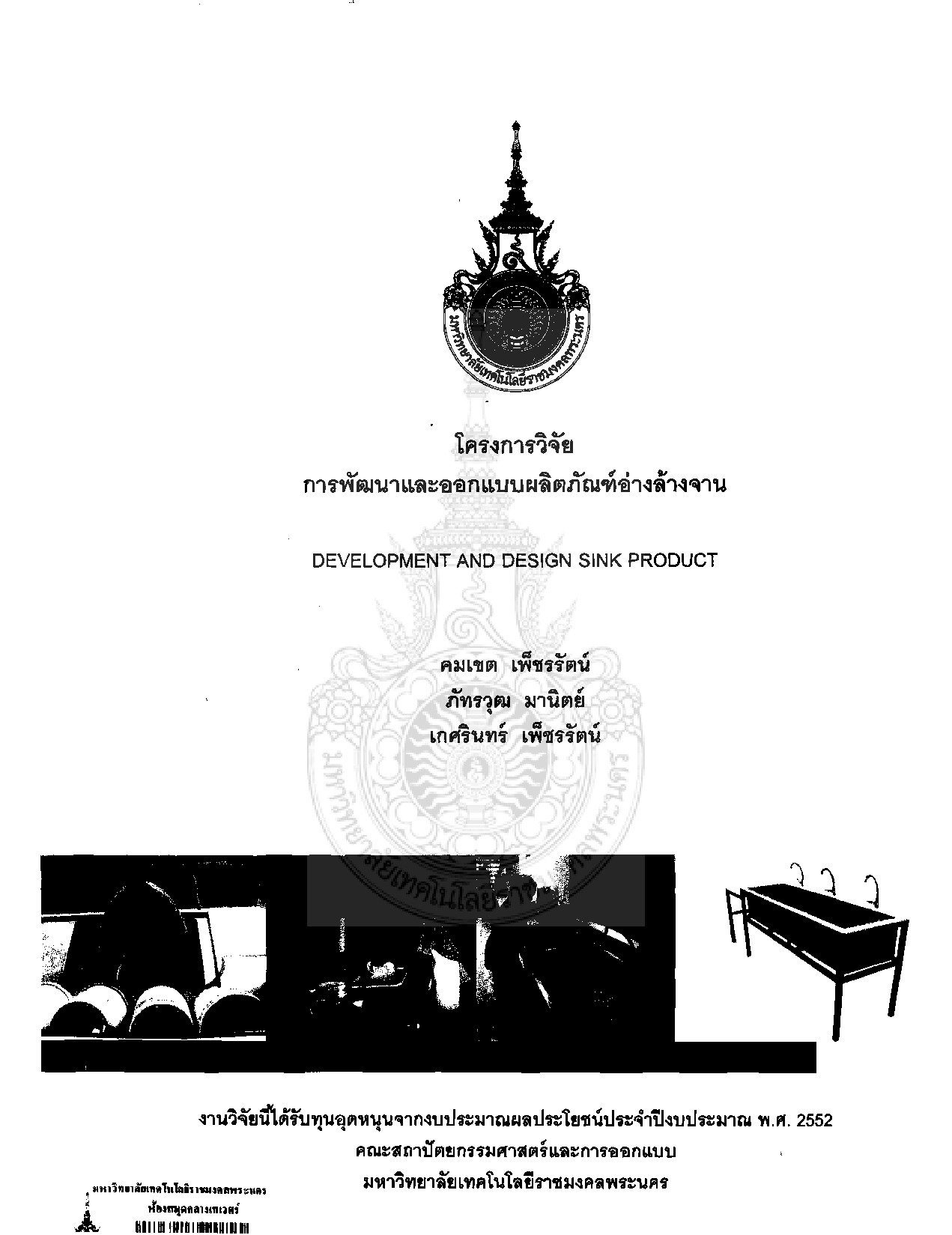
Development and Design Sink Product
The main objective of the study was to explore The relationship of cleaning the container behavior with sink space guide line for sink product. This research an integration of field survey and quasi-experimental techniques were utilized to people who live in condominium in Bangkok and preference assessment of Thai sink product by ninety seven users. This research based on work triangle and evaluation environment for cooking in condominium by experimental. And attitudes expectation of Thai sink product prototype. Variables were used in the framework of this study: size and spatial characteristics of each area understudied for washing in sink. The sizes of areas which could optimally accommodate such activities were derived from eleven cases of experimentation. Other than body size and the extent of disability the study also found that variation in area size was determined by additional factors such as types of activities approach to the area and the individuals skill for that particular activity. Intervening variables such as fatigues after prolonged and repeated tests were found partially affected the results of experiments and attitudes toward the environment and the extent of difficulty to perform each task. The final analysis of the attitude toward the suggested sink product modification was done using data collected from ninety seven users respondents accompanying the disabled. The sink product modification to accommodate all users inclUding the disabled members of the family in accordance with the former environment. The study found however that the extent of intimacy with the disabled significantly determined towards sink product modification. In conclusion the study suggested that conditional application of sink production modification according to the nature of the disabled-in III terms of social psychology familial background the extent of disability and the specific needs required by each of the canteen. IV